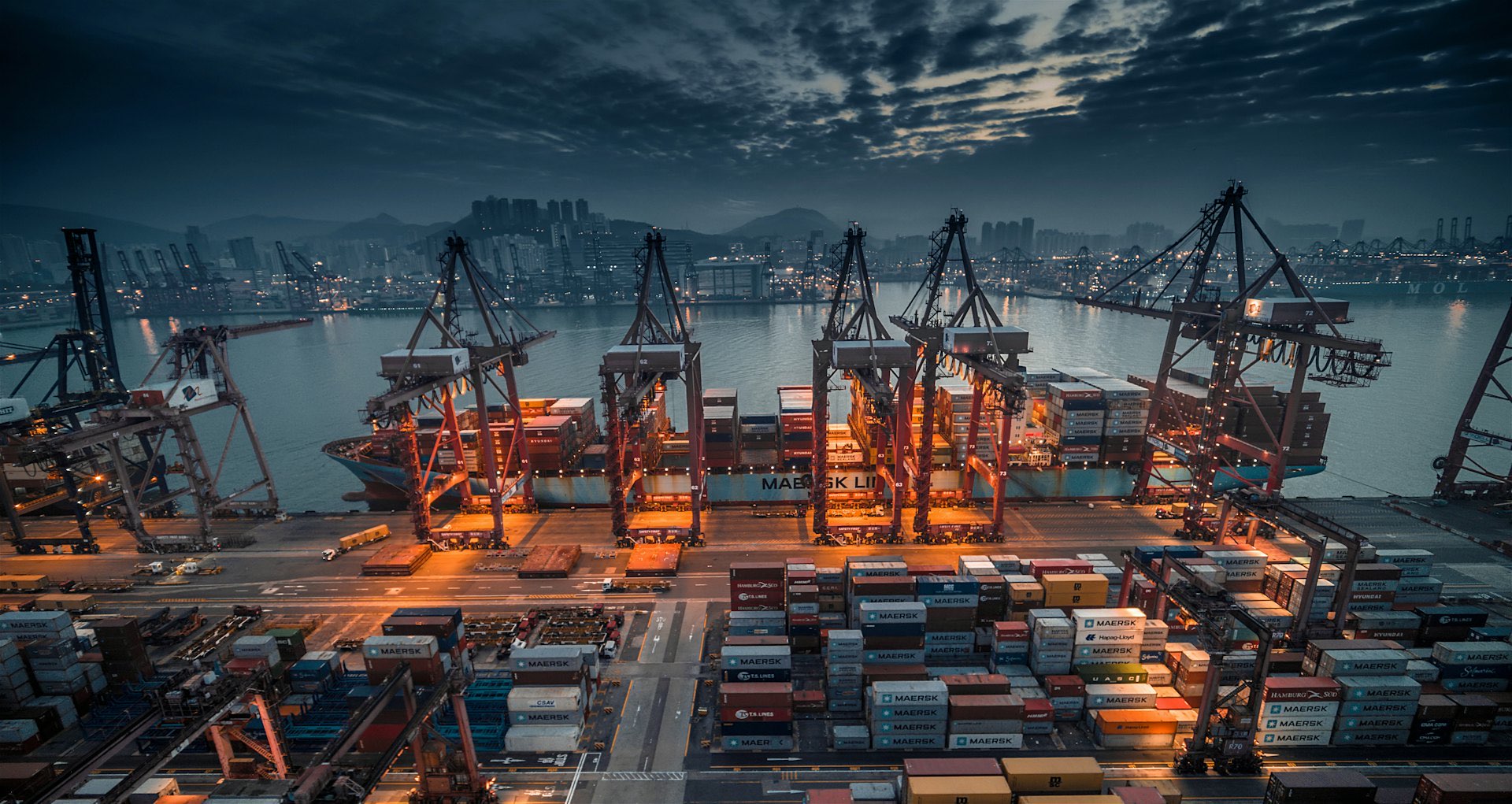
Recent years have shown how quickly supply can be disrupted: port congestion, trade measures, energy prices, extreme weather and geopolitical events. A resilient supply base will not prevent disruption, but it gives buyers options when it happens.
1. Map where you are exposed
Start with your highest-value and most critical products. For each, record the current suppliers, their production sites, the ports used and the lead times. Concentration is the risk to look for: one supplier, one country, one port or one raw-material source.
2. Qualify a second source
Dual sourcing does not have to mean splitting volume evenly. Many buyers place most volume with a primary supplier and a smaller, regular share with a qualified secondary supplier, so the relationship and the specification are proven before they are needed. Qualification — samples, documents, a trial order — takes time, so it should happen before a crisis.
3. Diversify geography and logistics
A second supplier in the same region often shares the same risks. Where specification and cost allow, consider sources in different regions or using different shipping routes and ports.
4. Use framework agreements
Framework or annual agreements can secure capacity and agreed specifications while allowing call-off flexibility. Agree how prices are adjusted — for example linked to a published index for metals — so both sides understand the mechanism in advance.
5. Hold the right buffer
Safety stock costs money, so target it at items with long lead times, few alternative sources or high cost of shortage. Review buffer levels when lead times change.
6. Monitor suppliers continuously
- On-time delivery and quality performance against agreed measures
- Validity of certifications and approvals
- Financial and ownership changes
- New trade measures or sanctions affecting the supplier's country or products
7. Judge on total cost
The lowest unit price can carry higher total cost through longer lead times, quality failures, freight volatility or working capital tied up in stock. A total-cost view makes it easier to justify resilience measures.
Echo Core Ltd supports buyers in identifying and qualifying alternative suppliers across its product categories.